
News


Youth Retreat Planning: 7 Mistakes Youth Leaders Make (and How to Avoid Them)
October 30, 2026Articles
A youth retreat takes more than a schedule and a speaker. Youth pastors and church leaders in Saskatchewan also need to plan accommodation, meals, transportation, supervision and follow-up.
Use these seven checks to prepare a youth retreat that is safe, manageable and focused on its purpose.
1. Starting without a clear purpose
A retreat can become a collection of activities if the planning team has not agreed on what it is meant to accomplish.
Set one main goal. For example, help students build relationships, explore a theme of faith or create space for prayer and reflection. Use that goal to choose the sessions, activities and format. Tell leaders what the goal is so they can support it throughout the weekend.
Decide who the retreat is for, how many students you can supervise and what dates work for your church. Assign an owner for each major task, including registration, transportation, meals, rooms and the program.
2. Choosing a venue before checking your needs
A venue should fit your group’s size, season and program. Confirm room capacity, sleeping arrangements, meeting space, meal options, accessibility and activity availability before booking. Ask what is included and what costs extra.
For Saskatchewan groups, also plan for travel time and weather. Arlington Beach Camp is on the northeast shore of Last Mountain Lake, about 1.25 hours from Regina and two hours from Saskatoon and Moose Jaw. Check the guest information for an overview of its lodging, meeting spaces and amenities.

Arlington Beach’s Kinney Memorial Lodge has guest rooms, lounges, meeting space and a dining hall. The camp also offers dorms in summer. Review accommodation and pricing details and ask the camp to confirm current availability and rates for your dates.
3. Filling every hour
A full schedule can leave students tired and reduce time for informal conversation. Build in breaks, meals, rest and supervised free time. Allow students to choose between quiet space and group activities when possible.
For each free-time block, set clear boundaries. Explain where students may go, which activities are available, when to check in and which leaders are on duty. Keep supervision visible and follow your church’s safeguarding policy.

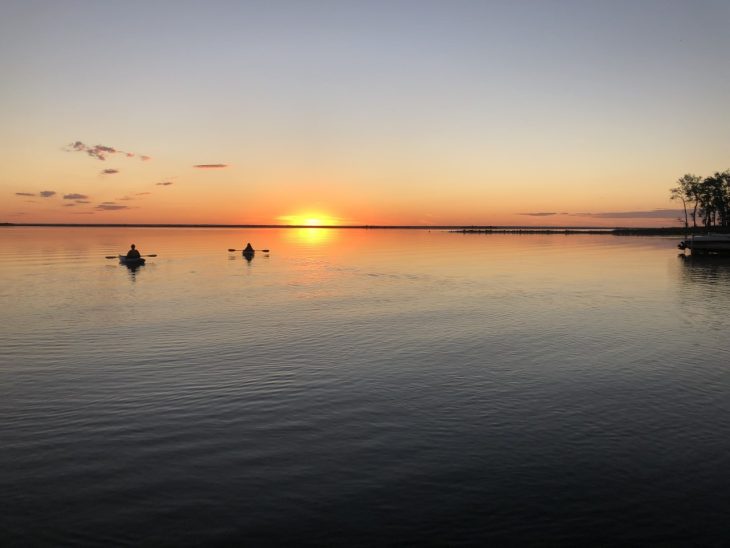
If you are planning a lake or outdoor activity, confirm availability, costs and supervision requirements with the venue. Arlington Beach lists canoeing and kayaking among its optional activities. Swimming groups must provide their own lifeguard, according to the pricing and activity information.
4. Treating meals as a small detail
Meal planning affects the schedule, budget and students’ comfort. Collect food allergies and dietary needs during registration. Confirm how meals will be provided, when they will be served and what students should bring.
At Arlington Beach, groups can ask about camp-provided meals, depending on staff availability, or explore other arrangements. Kitchen rental has specific requirements, so confirm those before planning to cook. Include meal times in the program and leave enough time for students to eat and transition.
5. Leaving safety and supervision until the last minute
Set safety procedures before registration opens. Use your church’s policies for screening, adult-to-youth supervision, room assignments, medication and reporting concerns. Identify who carries emergency contacts and medical information. Give leaders a clear process for headcounts, injuries, severe weather and missing participants.
For a Saskatchewan road trip, confirm drivers, vehicle capacity, routes and pickup plans. Check weather and road conditions before departure. Tell parents how to contact the leaders during the retreat.
Ask your venue what it requires. Arlington Beach’s guest group policies specify insurance requirements for rental groups supervising minors. They also request a final participant number and event schedule seven days before arrival. Review the policy early and confirm any questions with the camp.
6. Underestimating the budget
A retreat budget should include more than accommodation. Add meals, facility fees, transportation, activity costs, supplies and a contingency for changes. Set a registration price that accounts for your expected attendance, not just your best-case number.
Ask the venue for a written estimate. Confirm deposits, payment deadlines, minimum group charges, cancellation terms and what happens if attendance changes. Arlington Beach’s pricing page notes a minimum booking size of 20 people. Confirm the current terms when requesting a quote.
If cost is a concern, compare a shorter retreat with a longer stay. Ask about meal options and which activities are optional. Share the final price and what it covers with families before registration.
7. Ending the retreat without a follow-up plan
A closing session is not a complete follow-up plan. Decide before the retreat how students will continue the conversations and commitments they make.
End with a practical next step. This could be a small-group meeting, a check-in with a youth leader or a way to serve together. Assign leaders to follow up, and choose a date before the group leaves. Contact parents with essential information after the event, and debrief with leaders while details are fresh.
Keep any personal conversations confidential and follow your church’s procedures when a student needs pastoral or other support. Use feedback from students and leaders to improve the next retreat.
Planning at Arlington Beach
Arlington Beach Camp & Conference Centre offers group lodging, meeting areas, dining options and outdoor facilities in one Saskatchewan location. Groups can plan their own sessions and ask the camp about available activities and meal arrangements. Availability and activity staffing can vary, so confirm details before sharing your schedule.
Start by checking the camp’s guest information and pricing. Then contact the camp with your dates, estimated attendance, lodging needs, meal plan and activity requests. Build your program around confirmed arrangements.
Youth retreat planning checklist
Before you book, confirm:
- The retreat goal, dates and expected group size
- Lodging capacity and room arrangements
- Meeting space, meal options and activity availability
- Total costs, deposit and payment deadlines
- Transportation, supervision and emergency procedures
- Registration forms, dietary needs and parent communication
- A follow-up date and next step for students
A clear plan helps your leaders focus on students during the retreat.
Recent Posts

Empowering Tomorrow’s Leaders
07 Nov 2025
Beach Beat Fall/Winter 2023/24
04 Dec 2023